Unveiling the Isometric Teenager Gamer Neon Wired Head
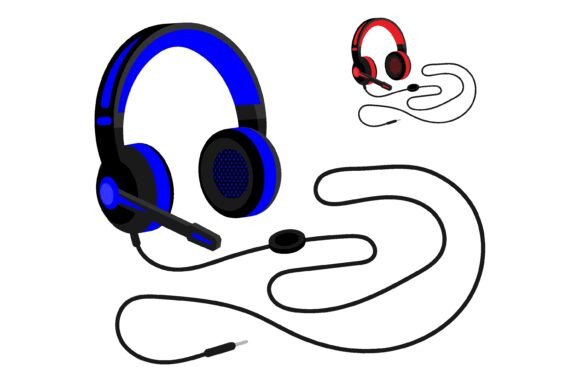
It's more than a picture. The Isometric Teenager Gamer Neon Wired Head is a carefully composed vector graphic that freezes a moment of modern youth culture. A teenager leans into the glow of a neon-lit headset, a sleek microphone curving toward a determined smile, the entire scene rendered in sharp isometric perspective on an immaculate white background. For someone running a gaming blog, launching an esports brand, or designing a stream overlay, this single asset can speak volumes about camaraderie, late-night missions, and the electric energy of competitive play.
What makes it stand out isn't just the subject. It's the combination of an editable vector format, the precision of isometric art, and the deliberate use of neon wiring as a visual motif. The headphones aren't just accessories—they become a symbol of identity. The illustration tells a story without a single word, and the isolated background means that story can slide into almost any layout without a clash. From commercial packaging to classroom slides, this graphic adapts while keeping its core personality intact.
A Symbol That Speaks to Multiple Audiences
At first glance, you might see a simple gaming illustration. Look closer and you realize it carries distinct meanings for different groups. A marketer crafting a social media campaign for a youth-oriented headphone brand sees an authentic, relatable image that doesn't feel like stock photography. A small business owner designing merchandise for a local gaming café notices how the white background and isometric angle make the graphic pop on a black t-shirt. An educator building a digital literacy workshop might use the visual to get teenagers talking about teamwork in online spaces. Each person projects their own needs onto the same set of pixels, and a strong illustration holds up under all those interpretations.
For freelancers who juggle client work, a ready-to-use asset that requires no 3D modeling skill is a quiet time-saver. Rather than commissioning a custom render, they can drop this vector into a web banner, recolor the neon accents in minutes, and deliver a polished draft the same afternoon. Meanwhile, a hobbyist creating a custom Twitch panel might be drawn to the emotional texture—that subtle glow on the teenager's face that suggests focus and friendly rivalry—because it mirrors what they feel late at night while chatting with their squad.
The Isometric Advantage: Depth Without the Clutter
Why isometric? In a world of flat design and generic illustrations, an isometric viewpoint creates instant visual depth while maintaining a clean, diagram-like order. The angle gives the headset and microphone a solid, tangible presence, almost like a miniature sculpture. Yet the style avoids the chaotic perspective of real-life photography. For a UI designer inserting the graphic into a dashboard or a blogger needing a header image that doesn't overwhelm text, that controlled dimensionality matters. The Isometric Teenager Gamer Neon Wired Head feels three-dimensional without fighting for attention.
This balance between realism and abstraction also helps when you need to communicate a concept rather than a literal product. The neon wires wrap around the headphones like circuitry, suggesting a fusion of technology and human emotion. A content creator discussing the psychology of gaming might use the image at the top of an article to symbolize connection and passion, knowing the visual won't mislead readers into thinking it's about a specific hardware brand. The editable colors reinforce that flexibility: you can shift the neon from cyan to magenta to align with an event's palette, or mute the tones for a more serious editorial piece.
Editing Freedom That Moves Beyond Aesthetics
One of the most practical selling points of this asset is the promise of effortless color editing. But that phrase means different things depending on your tools and intentions. A beginner opening the vector in a free app like Inkscape might simply swap the main accent hue to match their school esports club's logo. An experienced graphic designer using Adobe Illustrator could rebuild the entire lighting scheme, add gradients, or create three separate variations for a multi-product campaign. Both approaches are legitimate, and the isolation on white means neither user will spend time painstakingly removing a background.
For publishers working on print materials, the vector format ensures the graphic scales to a billboard without pixelation. That scaling ability also becomes a cost argument. Instead of buying multiple sizes of the same raster image, you own a single asset that can live on a business card, a website header, and a pull-up banner. When you combine that with the commercial value of a relatable gaming visual, the math starts to make sense for a small business that needs to stretch its design budget without looking cheap.
How Different Skill Levels Approach the Same Graphic
Beginners often ask: “Can I use this without advanced design skills?” The answer sits in the clean composition. Because the subject is isolated and already well-lit, even dragging the file into a Canva template adds an instant professional feel. A novice may never touch the pathfinder tool, but they can still recolor a stroke to create brand harmony. On the other end, a motion graphics artist might import the vector into After Effects, animate the neon pulses, and build a full intro sequence. The same base asset supports wildly divergent ambitions.
To give a concrete example, consider a high school esports coordinator who needs a schedule poster. They have zero design background, but they can place the Isometric Teenager Gamer Neon Wired Head next to the team roster, pick a neon green from the school colors, and export a PDF. The result doesn't look like a clip-art mess; it looks intentional. Conversely, a YouTube thumbnail designer might composite the graphic with glowing text and custom particle effects, using the isometric angle as a stable anchor for the composition. The asset doesn't dictate the level of creativity; it simply offers a strong starting point.
When the Microphone Tells the Real Story
The sleek microphone in the illustration isn't an afterthought. It symbolizes communication, teamwork, and the evolving social fabric of online gaming. For a podcaster covering cooperative gaming tournaments, this detail connects the visual directly to their content. They aren't just showing a gamer; they're highlighting collaboration. For a parent looking for an image to illustrate a blog post about the positive social skills kids develop through games, the microphone becomes a subtle signal—this isn't about isolation; it's about connection.
That narrative layer makes the graphic especially useful for educators and counselors who run workshops on digital citizenship. They can drop the image into a presentation slide and ask students what they notice. The neon glow, the headphones, the mic—all become conversation starters. The style feels current enough that teenagers won't dismiss it as outdated, yet the theme stays broad enough to fit multiple discussion angles. This kind of versatility is rare in gaming illustrations, which often lean into hyper-aggressive, weapon-heavy imagery that some audiences find alienating.
Commercial Use Without the Legal Headache
Licensing confusion kills projects. A small business owner launching an online store for gaming accessories needs to know they can use the image on product packaging without a copyright strike. A marketer distributing a digital ad across multiple platforms wants clarity on usage rights. The Isometric Teenager Gamer Neon Wired Head typically comes with clear commercial permissions when purchased from a reputable stock platform, but it's always wise to check the license terms. Once confirmed, the asset becomes a reliable commercial asset—something you can embed into an email newsletter, a paid social campaign, or even a mobile game interface without fear.
For freelancers, the commercial angle carries extra weight. They can use the same graphic across multiple client projects, blending it with original elements to create distinct results each time. The editable nature lowers the risk of two clients ending up with something that looks identical, because changing the neon palette and slightly adjusting the composition makes each version feel unique. That reusability factor turns the initial purchase into a long-term tool rather than a one-off expense.
Presentation and Storytelling in Live Environments
Now think beyond static images. The graphic also works in dynamic, live environments. A streamer can set it as a starting screen or a “Be Right Back” card, with the neon wires subtly pulsing if they add a simple CSS animation or a webm overlay. The isometric angle pairs well with UI elements because it creates a natural focal point without interfering with overlays like chat boxes or donation alerts. In a business pitch, a startup founder pitching a gaming platform can drop the illustration into a slide deck to humanize technology—it's a reminder that behind every platform statistic is a teenager celebrating a win with friends.
Even in offline spaces, the graphic holds up. A community center running a weekend gaming tournament can print the vector on a large canvas. Because it's not a photo, it won't suffer from the slight blurriness that can creep into blown-up stock shots. The clean lines and flat colors hold their crispness, and the white background integrates into almost any physical display without creating awkward borders. There's a practical elegance to that simplicity, and it appeals to event organizers who may not have a dedicated design team.
Does the Isometric Teenager Gamer Neon Wired Head Fit Your Project?
So how do you decide? Start by outlining your project's core emotion. If you need to convey energy, youth, and technological togetherness, this illustration likely fits. If you need photorealistic hardware close-ups, it's the wrong tool. Next, consider your editing ability. If you need something out-of-the-box with minimal changes, the asset is nearly ready to go. If you plan to dismantle and rework layers heavily, the vector structure supports it. Evaluate your color needs: the neon scheme is dramatic by default, but the palette can shift toward earthy tones or pastels if your brand demands subtlety.
Additionally, weigh the importance of narrative. The teenager's pose, the wired headset, the mic—they all point toward a story of collaboration and immersion. That may be exactly what a blogger writing about the social benefits of gaming wants to amplify. Or it may distract if your article is about hardware specifications rather than the human experience. Match the visual's storytelling strength to your message, and you'll create harmony. Mismatch them, and the graphic might feel like an off-key note in an otherwise tight composition.
Ultimately, the Isometric Teenager Gamer Neon Wired Head earns its value by blending artistic polish with functional design. It respects beginners who need a quick, beautiful asset while also inviting experts to push its boundaries. In a creative landscape flooded with generic options, that dual nature is genuinely useful. Whether you're a marketer chasing engagement, an educator building bridges with students, or a small business owner strengthening brand identity, this graphic doesn't just fill a space—it adds a layer of meaning that resonates with people who live and breathe contemporary gaming culture.