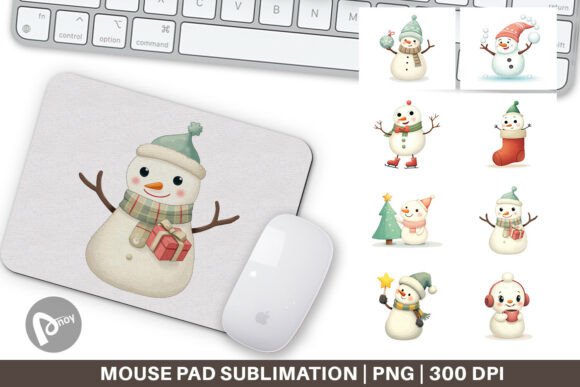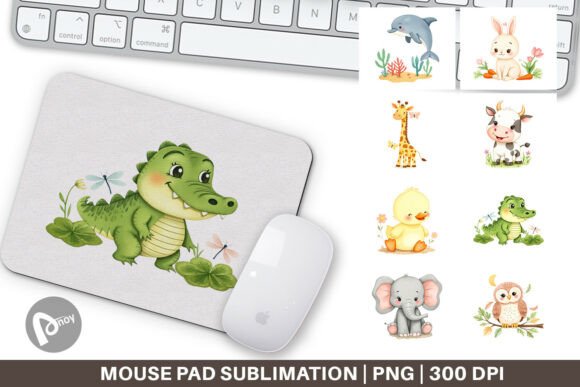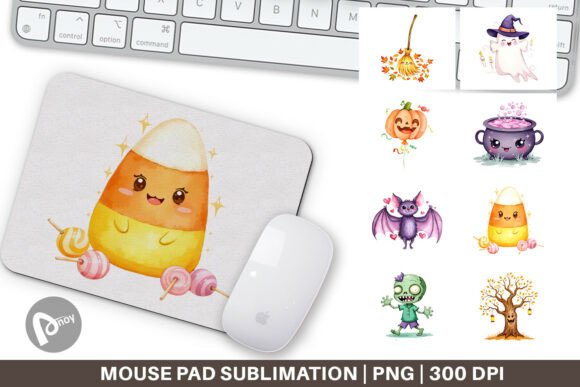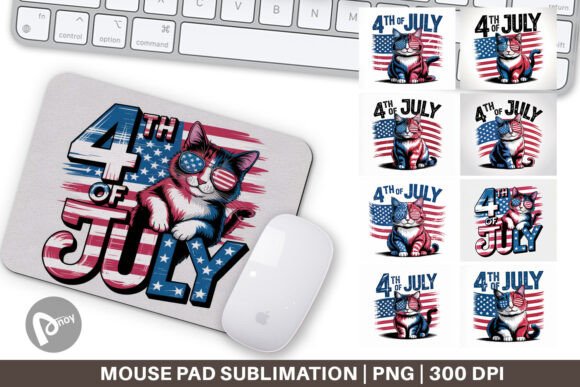
Mouse Pad 4th of July Embroidery Animal: Crafting a Desk Surface That Works as Hard as You Do
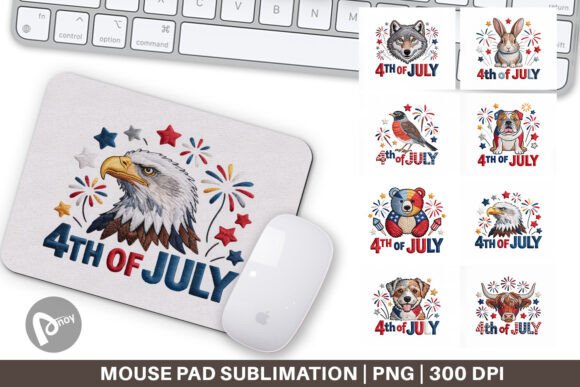
A desk mouse pad does more than just keep your mouse gliding smoothly. The Mouse Pad 4th of July Embroidery Animal digital design takes that everyday tool and turns it into a focal point that blends patriotism with stitch-inspired artistry. Whether you are setting up a home office, refreshing a gaming station, or creating product mockups for an online store, this collection of eight high-resolution PNG files gives you a shortcut to a professional, handcrafted look without needing an embroidery machine. But rushing into a purchase or pressing “print” without a few key checks can leave you with a blurry, poorly scaled result that underdelivers on comfort and visual appeal.
Why a Design Like This Catches the Eye of Creators and Professionals
At first glance, you might think you are looking at actual embroidered patches on a cloth mouse pad. The Mouse Pad 4th of July Embroidery Animal design uses shading, stitch textures, and layered depth to mimic raised threadwork on sublimation-ready artwork. Each PNG file arrives at 9.5 by 8.1 inches and 300 dpi — an ideal canvas size for standard rectangular desk pads. Creators, small business owners, and hobbyists gravitate toward files like these because they skip the steep learning curve of digitizing custom embroidery while still offering that homespun Americana feel. It is a practical way to prototype gifts for family barbeques, produce sellable patriotic merchandise, or simply treat yourself to a neater, more inviting workspace.
Mistakes That Turn a Promising Desk Makeover Into a Wasted Effort
Even high-quality artwork can fall flat when overlooked details creep in. Recognizing a few common slip-ups prevents costly reprints and helps you get a mouse pad that actually improves both aesthetics and hand comfort.
Misreading the File Format as a Ready-made Physical Product
One of the most frequent misunderstandings is believing you will receive a finished mouse pad in the mail. This is a digital download — a bundle of eight PNG files. If you skip over that detail, you might end up frustrated and empty-handed. The upside is you gain full control: you can print on a polyester cloth surface for vivid sublimation, apply the design to a neoprene base, or even use it as a mockup image for an e-commerce listing. But only if you know what you are buying. Always check the product description for “YOU WILL RECEIVE PNG FILE” and plan your production steps accordingly.
Ignoring the Exact Dimensions and Scaling Recklessly
A 9.5 by 8.1 inch design is not a universal fit. Stretching the artwork to fill an oversized 31-inch desk mat will pixelate the intricate stitch-like details and warp the elegant animal silhouettes. Conversely, shrinking it drastically for a tiny wrist rest can make the texture unreadable. If your sublimation blank does not match these proportions, crop with intent rather than distort. Better yet, source a blank that complements the design’s native aspect ratio. This respect for dimensions directly translates to a mouse pad that looks deliberate, not distorted.
Overlooking DPI and Print Clarity
Seeing “300 dpi” on a listing is reassuring, but it only holds its value if you maintain that resolution during the printing process. Some users accidentally export or transfer the file at a lower DPI setting, which muddies the faux embroidery lines. Others think a higher number always means better and upscale the image artificially, creating a noisy mess. At 300 dpi and 9.5 by 8.1 inches, you already have a crisp, true-to-size graphic. Feed it to your printer software without altering the resolution, and you will preserve the subtle thread-like shadows that make the animals appear to pop from the surface.
Treating Sublimation Like a Standard Inkjet Print
Sublimation isn’t simply ironing an image onto fabric. It requires heat, pressure, and a polyester-rich substrate so the ink bonds at a molecular level. Trying to print these PNGs on a cotton mouse pad with a desktop inkjet yields a dull, scratchable result that washes away. Using the wrong heat press temperature leads to ghosting or burnt edges. A common corrective step is to run a small test swatch on a scrap of the same sublimation blank before committing the full design. That five-minute check can save you from decorating your desk with a patchy, faded version of what should be a radiant 4th of July animal motif.
How These Errors Undermine Productivity and Comfort
When the mouse pad surface isn’t right, your hand notices. A low-quality print may feel tacky or uneven, interfering with smooth mouse movement. If the colors bleed or the material curls at the edges, you subconsciously adjust your posture, which can aggravate wrist fatigue over a workday. A well-executed Mouse Pad 4th of July Embroidery Animal pad, on the other hand, gives you a consistent glide plane and a visual anchor that subtly boosts your mood. The intricate, patriotic design also serves as a conversation starter during video calls or livestreams, indirectly reinforcing your personal brand. Cutting corners on the production side doesn’t just hurt aesthetics; it chips away at the ergonomic and psychological benefits a thoughtfully crafted desk accessory can provide.
Practical Advice to Sidestep Poor Outcomes
Start by collecting all the information you need before you even open the design folder. Measure your intended mouse pad blank. Confirm its polyester coating percentage — 65% or higher is typical for bright, long-lasting sublimation results. If you plan to sell finished pads, verify whether the PNG files include a commercial use license or if you need to extend your permissions. Many small business surprises arise from assuming all digital assets are automatically cleared for resale on platforms like Etsy or Shopify.
Open one of the eight designs in a photo editor that preserves DPI metadata, such as Photoshop or Affinity Photo, and avoid using a browser-based resizer that might recompress the image. Arrange your file without any automatic scaling. If your blank is exactly 9.5 x 8.1 inches, the artwork can sit edge to edge without distortion. For slightly larger blanks, add a cohesive border color or a grunge-edge bleed to preserve the hand-stitched illusion rather than stretching the artwork. When you move to the heat press, follow the manufacturer’s recommended time, temperature, and pressure for the specific substrate. A consistent routine — pre-pressing the blank to remove moisture, aligning the print, and cooling under a flat weight — produces a smoother, flatter mouse pad that glides effortlessly under your wrist.
Making the Most of the Eight Unique Files
Buyers often underestimate the versatility bundled into multi-file offerings. The Mouse Pad 4th of July Embroidery Animal set isn’t just a single design with minor color swaps. You receive eight distinct compositions featuring different animals, star-spangled embellishments, and embroidery-inspired textures. Instead of using only one and archiving the rest, consider a rotating seasonal display that keeps your workspace fresh. Frame one as a decorative desk tile under a transparent mat. Test a few prints at a smaller scale to create matching coasters or fabric stickers. Or build a cohesive product line for your online store, offering customers variety without the need for additional design licenses. This approach extracts far more value than a one-and-done print.
Key Checks Before You Click “Download” or “Purchase”
- File compatibility: Confirm your editing software handles high-resolution PNGs with transparent backgrounds. This is especially important if you intend to overlay text or branding before sublimating.
- Blank availability: Search for sublimation mouse pad blanks in the 9.5 x 8.1 inch size or slightly larger. If the exact size is scarce, have a trimming plan that won’t compromise the design’s stitched-edge illusion.
- Color expectations: Sublimation colors often appear muted on screen and intensify after heat transfer. Order a small sample print or test on a similarly coated polyester item to calibrate your expectations.
- License terms: If you intend to sell physical mouse pads made from these files, double-check whether the designer permits commercial use. Assumptions here can lead to takedown notices or strained vendor relationships.
- Ergonomic add-ons: While the design enhances visual comfort, actual wrist support depends on the thickness and material of the pad. Pair your finished print with a quality non-slip base or a memory foam underlay if extended computer use is part of your daily routine.
Bringing Creative Passion and Daily Function Together
A desk accessory doesn’t have to be boring. The Mouse Pad 4th of July Embroidery Animal concept proves that a practical, everyday item can also tell a story — of celebration, craftsmanship, and personality. By approaching the process with accurate knowledge rather than guesswork, you avoid the disappointment of a flawed end product and instead end up with something that genuinely refreshes your workspace. Whether you are a content creator staging a vignette for a tutorial, a freelancer wanting a cheerful nook for long editing sessions, or a hobbyist crafting gifts that feel thoughtful rather than generic, the difference is in the details you verify before the final press. Treat the design files as an intentional starting point, not instant magic, and you will have a mouse pad that earns its place on your desk for many Independence Days to come.